
The difference between a Class K Fire extinguisher and a Class ABC fire extinguisher
Class K and Class ABC fire extinguishers are designed to tackle different types of fires, and their effectiveness depends on the specific fire hazards...
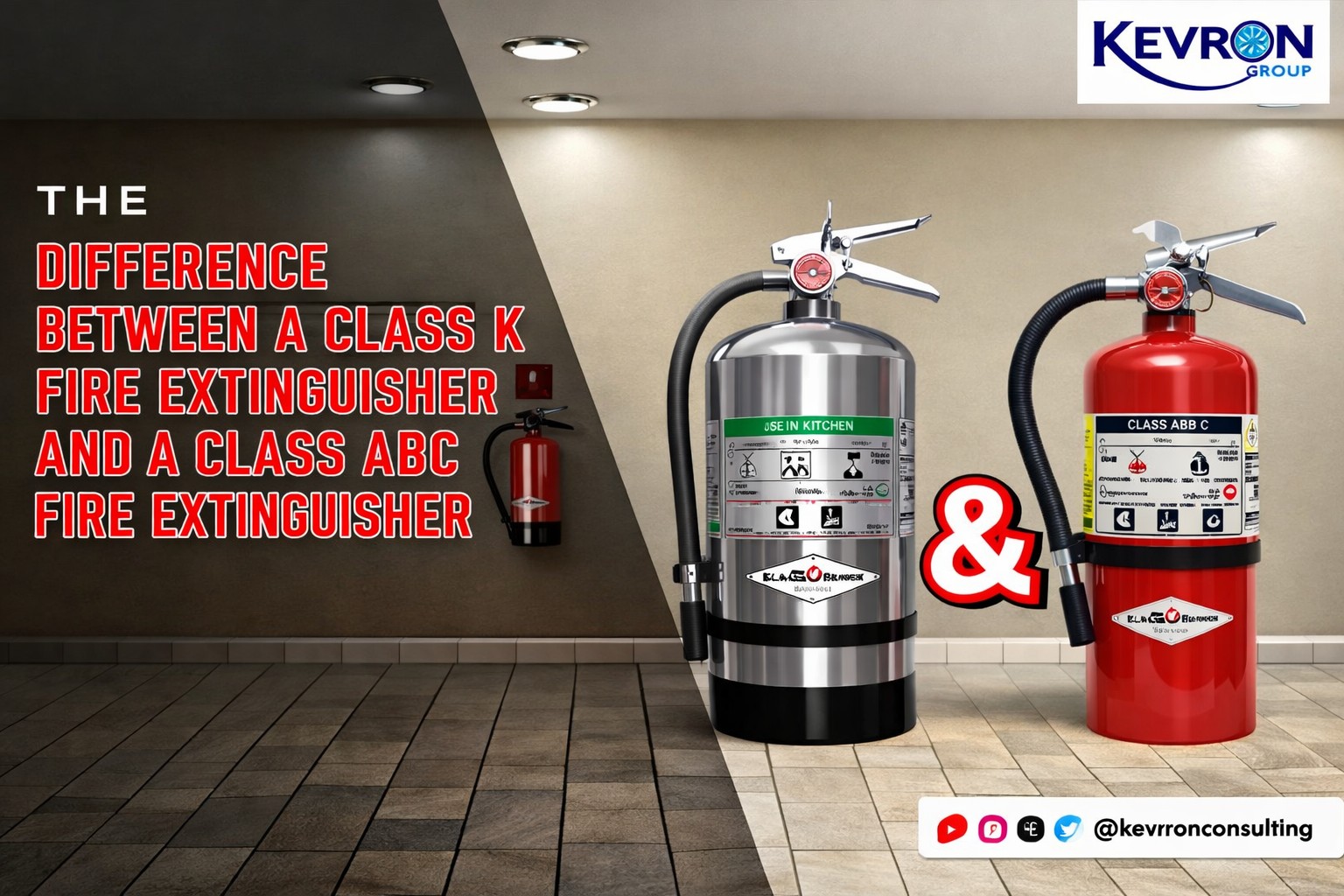
Class K and Class ABC fire extinguishers are designed to tackle different types of fires, and their effectiveness depends on the specific fire hazards they are meant to address. Here's a breakdown of the differences between Class K and Class ABC fire extinguishers:
Class K Fire Extinguisher
- Purpose: Class K extinguishers are specifically designed for fires involving cooking oils and fats, such as those found in commercial kitchens and restaurants.
- Agent: The primary agent used in Class K extinguishers is a potassium acetate-based solution, which reacts with cooking oil and fat to form a soapy substance, suppressing the fire.
- Marking: Class K extinguishers are marked with a purple panel, making them easily distinguishable.
Class ABC Fire Extinguisher
- Purpose: Class ABC extinguishers are versatile and designed to handle fires involving ordinary combustibles (Class A), flammable liquids and gases (Class B), and electrical equipment (Class C).
- Agent: The most common agent in Class ABC extinguishers is a dry chemical powder, such as mono-ammonium phosphate, which works by interrupting the chemical reaction of the fire.
- Marking: Class ABC extinguishers are marked with a white panel, often containing a pictogram indicating suitability for Class A, B, and C fires.
Key Differences:
- Class K is specialized for cooking oil and fat fires in commercial kitchens, while Class ABC is a multi-purpose extinguisher suitable for various fire types.
- Class K uses a potassium acetate-based solution, whereas Class ABC typically uses dry chemical powder.
- Class K extinguishers are marked with a purple panel, while Class ABC extinguishers have a white panel.
- It's crucial to choose the right type of fire extinguisher based on the specific fire risks present in a given environment. In some cases, a combination of different types of extinguishers may be necessary to provide comprehensive fire protection.
Statutory Guidance & Professional Applicability Note:
This publication provides high-level professional commentary and statutory analysis for UK health, safety, and environmental dutyholders. Regulatory requirements must be evaluated against site-specific conditions and operational hazard profiles. Consult a Kevron Chartered safety adviser for bespoke compliance auditing.
Speak to a CDM 2015 Adviser
Statutory CDM 2015 advisory, Construction Phase Plan preparation, RAMS review, and site compliance audits.
Related Professional Insights
Further guidance and toolkits in .
Global Ergonomics & Human Factors Engineering in Offshore Wind
A global technical webinar covering ergonomic design, human reliability assessment, and workforce fatigue mitigation in deepwater wind farm construction and maintenance.
Navigating the Building Safety Act 2022 & CDM 2015 in Fit-Out Projects
A practical, masterclass webinar examining key dutyholder obligations, competence requirements, and the digital golden thread under the UK Building Safety Act 2022 and CDM Regulations 2015.
CDM 2015 Principal Contractor Duties: Avoiding Common Compliance Pitfalls
A practical legal analysis of requirements under HSE L153, focusing on Construction Phase Plan (CPP) preparation and RAMS vetting protocols for UK commercial developments.