
Sustainable Food Consumption: A Pathway to a Healthier Planet and Population
As the global population rises and environmental challenges grow more urgent, it’s important to take a closer look at how our food choices affect th...
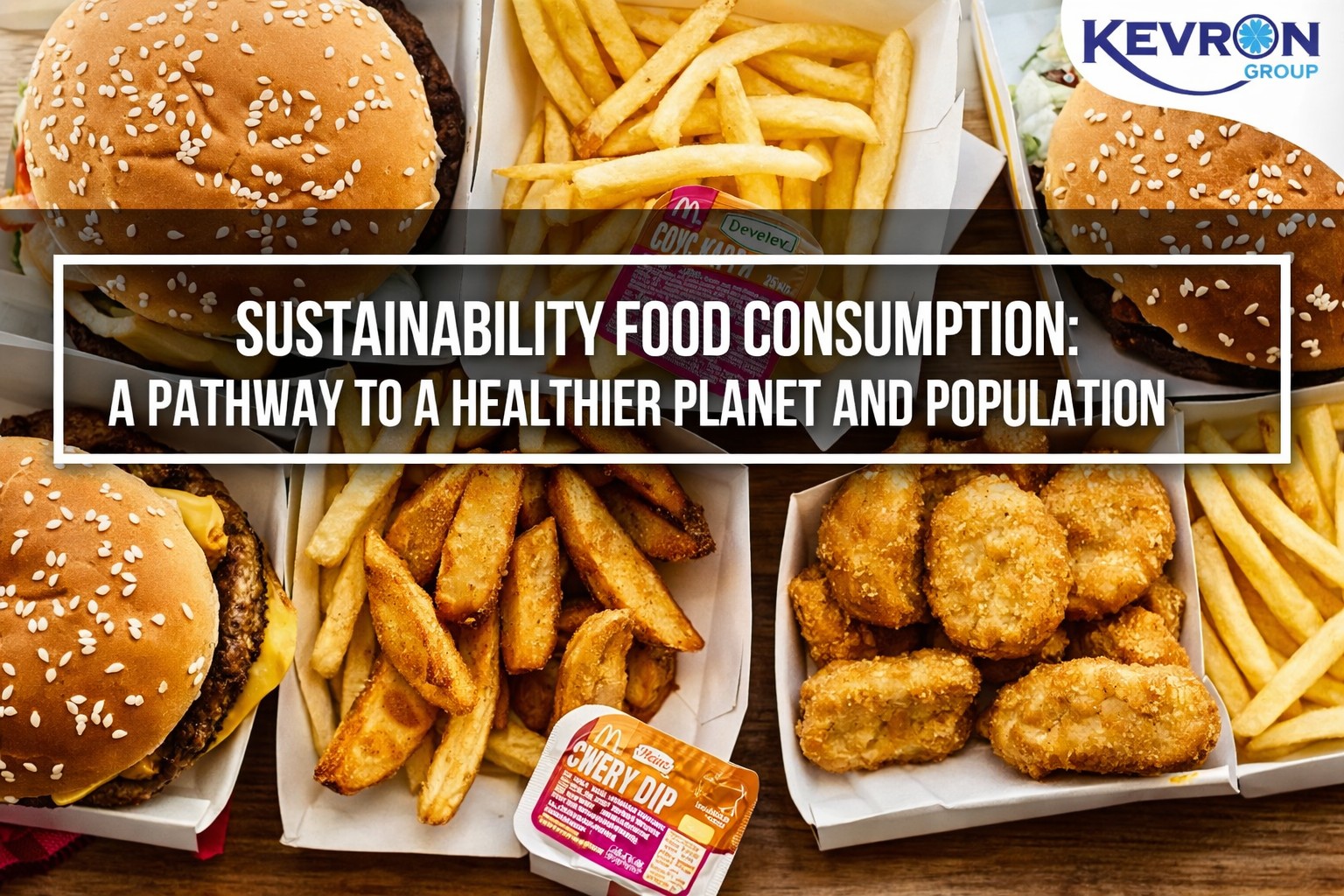
As the global population rises and environmental challenges grow more urgent, it’s important to take a closer look at how our food choices affect the planet. Sustainable food consumption is all about making thoughtful decisions that are good for both people and the environment. It’s not just about eating healthy, it's about supporting food systems that are fair, responsible, and capable of lasting for generations to come.
This means choosing more plant-based meals, buying local produce, reducing food waste, and supporting farming methods that protect the earth. The goal is to think beyond our plates and consider how our food is grown, transported, and consumed. Every step in the food chain matters, from the farm to the fork.
Making sustainable food choices has real benefits. Environmentally, it helps reduce greenhouse gas emissions, deforestation, and pollution. By making more conscious food choices, we can ease the pressure on the planet’s resources. It also plays a role in food security, ensuring that future generations have access to nutritious, affordable food by preserving vital ecosystems like soil, water, and forests.
There is also an ethical dimension. Supporting fair trade and humanely sourced products ensure better wages and working conditions for farmers and workers. On a personal level, sustainable diets rich in fruits, vegetables, grains, and legumes are linked to improved health and a lower risk of chronic diseases.
Putting this into practice does not require a complete lifestyle change. It starts with small, mindful steps. Buying local and seasonal produce supports nearby farmers and cuts down on pollution from long-distance shipping. Eating more plant-based meals, even once or twice a week, reduces environmental footprint. Choosing certified organic or fair-trade products, when possible, supports better farming and labour practices. Planning meals and reducing leftovers helps reduce food waste.
In Nigeria, we are fortunate to have traditional diets that are naturally sustainable. Foods like millet, sorghum, beans, and leafy vegetables are nutritious, locally available, and environmentally friendly. By embracing our indigenous food heritage and supporting local markets, we can promote food systems that are both sustainable and culturally meaningful.
At its core, sustainable food consumption is about balance and awareness. Every small action, every meal, every purchase adds up. When we make choices that align with the health of the planet and the well-being of others, we create a ripple effect of positive change.
Eating responsibly is one of the simplest yet most powerful ways we can contribute to a healthier, more sustainable world.
Statutory Guidance & Professional Applicability Note:
This publication provides high-level professional commentary and statutory analysis for UK health, safety, and environmental dutyholders. Regulatory requirements must be evaluated against site-specific conditions and operational hazard profiles. Consult a Kevron Chartered safety adviser for bespoke compliance auditing.
Speak to a CDM 2015 Adviser
Statutory CDM 2015 advisory, Construction Phase Plan preparation, RAMS review, and site compliance audits.
Related Professional Insights
Further guidance and toolkits in .
Global Ergonomics & Human Factors Engineering in Offshore Wind
A global technical webinar covering ergonomic design, human reliability assessment, and workforce fatigue mitigation in deepwater wind farm construction and maintenance.
Navigating the Building Safety Act 2022 & CDM 2015 in Fit-Out Projects
A practical, masterclass webinar examining key dutyholder obligations, competence requirements, and the digital golden thread under the UK Building Safety Act 2022 and CDM Regulations 2015.
CDM 2015 Principal Contractor Duties: Avoiding Common Compliance Pitfalls
A practical legal analysis of requirements under HSE L153, focusing on Construction Phase Plan (CPP) preparation and RAMS vetting protocols for UK commercial developments.