
GREENWASHING: ARE YOU BEING MISLED BY (ECO-FRIENDLY) BRANDS?
In an era where climate change and environmental concerns are global concerns, sustainability has become a powerful selling point. More consumers are ...
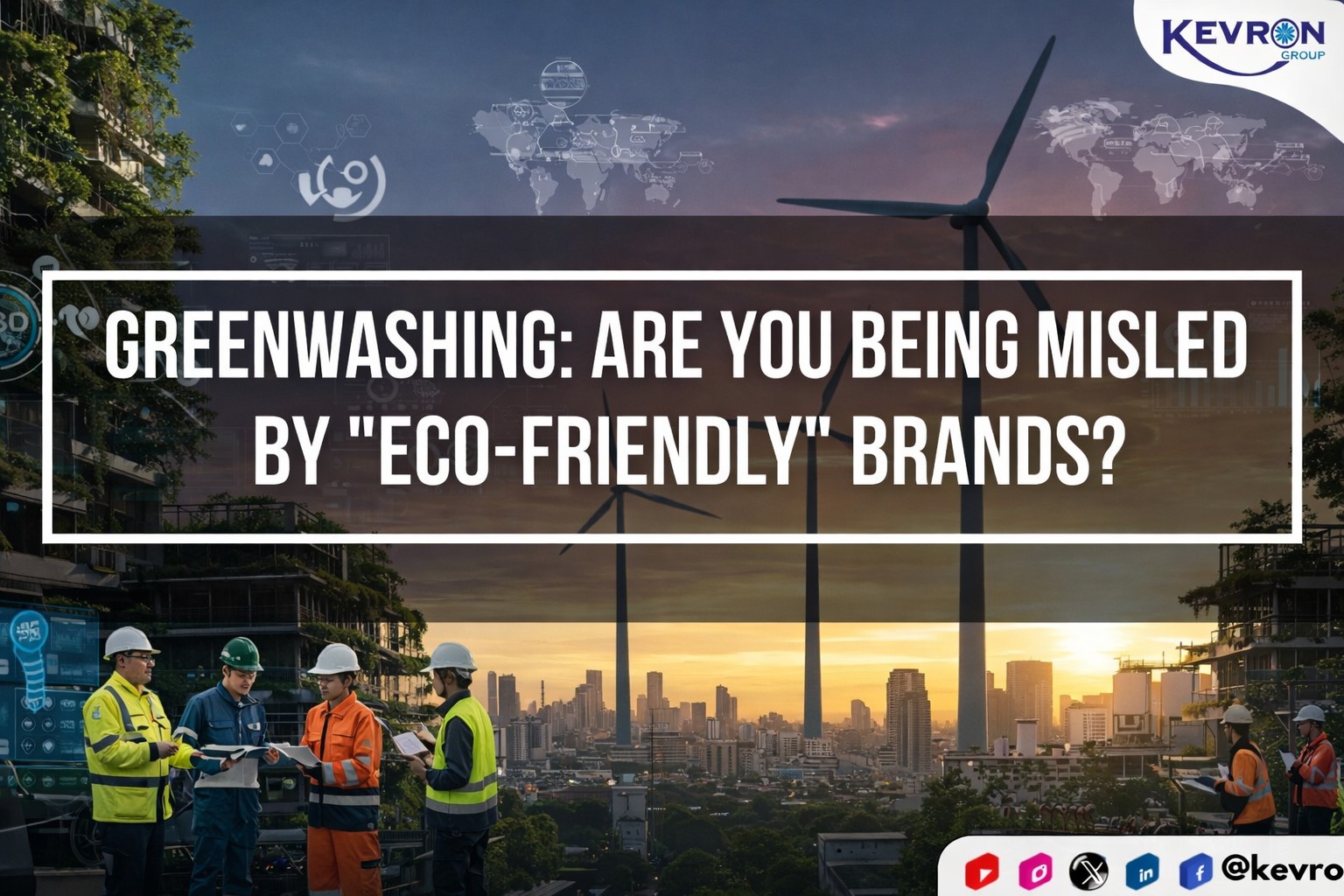
In an era where climate change and environmental concerns are global concerns, sustainability has become a powerful selling point. More consumers are choosing brands that promise to protect the planet, conserve resources, and operate ethically. But beneath the surface of green labels and feel-good slogans, a troubling trend is growing - greenwashing.
What Is Greenwashing?
Greenwashing is a deceptive marketing tactic where companies exaggerate or falsely claim environmental efforts to appear more sustainable. Instead of adopting eco-friendly practices, they use buzzwords and selective information to attract eco-conscious consumers without making meaningful environmental changes, ultimately misleading the public and weakening the credibility of genuine sustainability efforts.
How to Recognize Greenwashing
- Vague or Unverifiable Claims
Phrases like "all-natural," "eco-friendly," and "green" are often used without supporting evidence. If a brand doesn’t provide detailed explanations or scientific validation for its environmental claims, it’s worth questioning their authenticity.
- Misleading Imagery and Packaging
Just because a product is wrapped in earth-tone colours or adorned with images of leaves and trees doesn’t mean it’s environmentally sound. Visual cues can be intentionally misleading and have little to do with the product's actual impact.
- Hidden Trade-Offs
A product may boast about being organic or biodegradable, but how is it produced? Is the manufacturing process water-intensive? Is the packaging non-recyclable? Does the company exploit cheap labor? Real sustainability considers the entire lifecycle and impact of a product.
- Carbon Offset Loopholes
Many brands claim to be "carbon neutral" simply by purchasing carbon credits. While offsetting can be part of a broader strategy, it is not a substitute for actually reducing greenhouse gas emissions at the source.
How to Identify Truly Sustainable Brands
- Look for Trusted Certifications
Independent certifications hold companies accountable to established environmental standards. Some trustworthy labels include:
· FSC (Forest Stewardship Council): Ensures responsible forest management.
· Energy Star: Indicates high energy efficiency in appliances.
· LEED (Leadership in Energy and Environmental Design): Recognizes sustainable building practices.
- Demand Transparency
Authentic, sustainable brands are open about their processes, supply chains, and challenges. They provide detailed sustainability reports, participate in third-party audits, and are honest about where they’re still working to improve.
- Check for Real Impact
Does the company show long-term commitment to sustainability? Look for evidence of waste reduction, use of renewable energy, ethical labor practices, and measurable environmental outcomes.
What is at Stake
Greenwashing isn't just misleading, it's dangerous. It allows companies to profit from the growing demand for sustainability without contributing to real solutions. Worse, it diverts support away from brands that are genuinely trying to make a difference.
By learning how to spot greenwashing and support transparent, responsible companies, we can each play a part in building a more sustainable future. The power lies with informed consumers who hold brands accountable, ask the tough questions, and choose with intention.
Let’s move beyond the green labels and demand real change.
Statutory Guidance & Professional Applicability Note:
This publication provides high-level professional commentary and statutory analysis for UK health, safety, and environmental dutyholders. Regulatory requirements must be evaluated against site-specific conditions and operational hazard profiles. Consult a Kevron Chartered safety adviser for bespoke compliance auditing.
Speak to a CDM 2015 Adviser
Statutory CDM 2015 advisory, Construction Phase Plan preparation, RAMS review, and site compliance audits.
Related Professional Insights
Further guidance and toolkits in .
Global Ergonomics & Human Factors Engineering in Offshore Wind
A global technical webinar covering ergonomic design, human reliability assessment, and workforce fatigue mitigation in deepwater wind farm construction and maintenance.
Navigating the Building Safety Act 2022 & CDM 2015 in Fit-Out Projects
A practical, masterclass webinar examining key dutyholder obligations, competence requirements, and the digital golden thread under the UK Building Safety Act 2022 and CDM Regulations 2015.
CDM 2015 Principal Contractor Duties: Avoiding Common Compliance Pitfalls
A practical legal analysis of requirements under HSE L153, focusing on Construction Phase Plan (CPP) preparation and RAMS vetting protocols for UK commercial developments.