
E-Waste Crisis and the Global Recycling Gap
The world generates over 53 million metric tonnes of e-waste annually — yet only 17% is formally recycled. Discover the scope of the e-waste crisis and what must be done to close the global recycling gap.
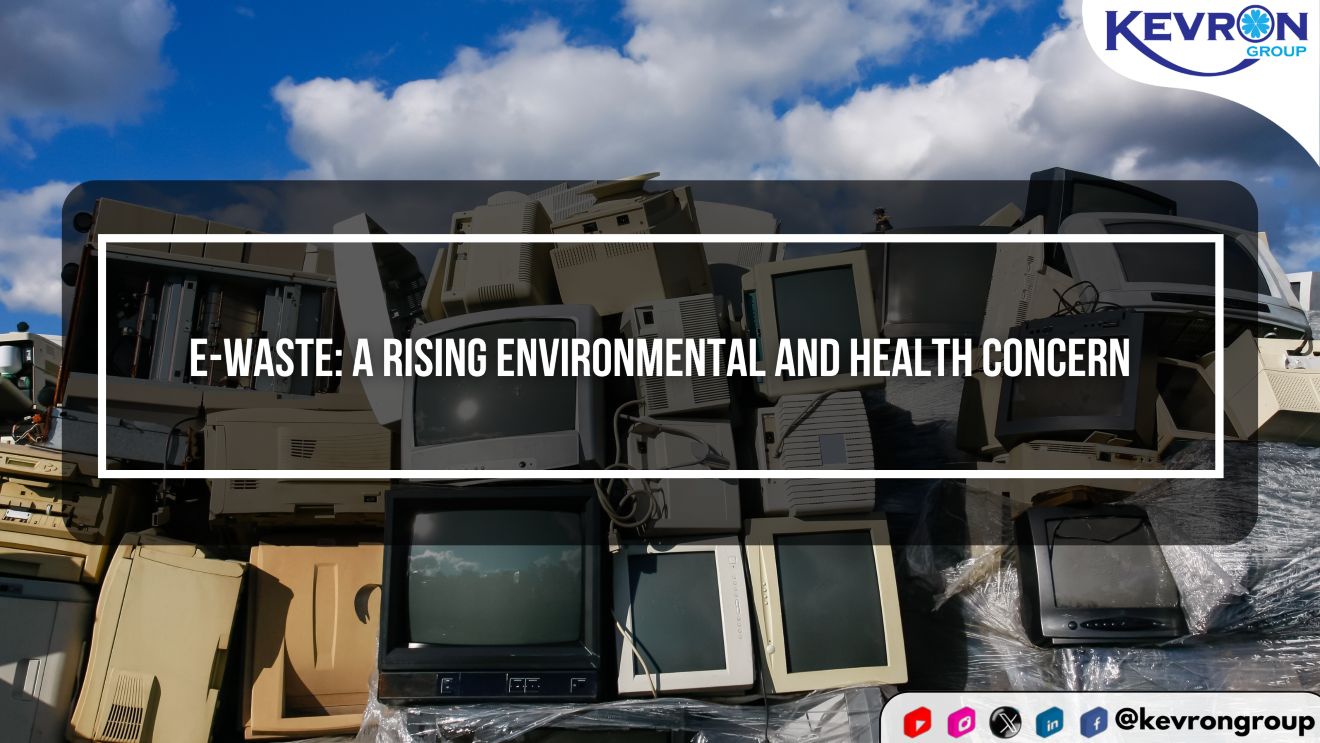
E-WASTE: A RISING ENVIRONMENTAL AND HEALTH CONCERN
With rapid advancements in technology and increasing demand for electronic devices, electronic waste has become one of the fastest-growing global environmental challenges.
What is E-Waste?
Electronic waste (e-waste) refers to electrical and electronic devices that are no longer in use, have reached the end of their useful life, become obsolete, damaged, or are no longer needed.
E-waste includes discarded
Mobile phones
Computers and laptops
Televisions
Printers
Batteries
Household electronic appliances
What's Inside E-Waste?
Valuable Materials
Gold
Silver
Copper
Rare earth metals
Hazardous Materials
Lead
Mercury
Cadmium
Brominated flame retardants
Impacts of Inproper Management of E-waste
Soil contamination
Water pollution
Air pollution from open burning
Release of toxic chemicals
Human Health Risks
Respiratory illnesses
Neurological disorders
Kidney damage
Developmental issues in children
Sustainable E-Waste Management Solutions
Extended Producer Responsibility (EPR)
Manufacturers take responsibility for end-of-life products.
Formal Recycling Systems
Safe collection and processing of e-waste.
Circular Electronics
Design products that are durable, repairable, and recyclable.
Consumer Action
Repair before replacing
Donate usable devices
Recycle responsibly
“Together, let’s commit to responsibly disposing of batteries, electronics, and other e-waste to safeguard our planet”.
Statutory Guidance & Professional Applicability Note:
This publication provides high-level professional commentary and statutory analysis for UK health, safety, and environmental dutyholders. Regulatory requirements must be evaluated against site-specific conditions and operational hazard profiles. Consult a Kevron Chartered safety adviser for bespoke compliance auditing.
Speak to a CDM 2015 Adviser
Statutory CDM 2015 advisory, Construction Phase Plan preparation, RAMS review, and site compliance audits.
Related Professional Insights
Further guidance and toolkits in .
Global Ergonomics & Human Factors Engineering in Offshore Wind
A global technical webinar covering ergonomic design, human reliability assessment, and workforce fatigue mitigation in deepwater wind farm construction and maintenance.
Navigating the Building Safety Act 2022 & CDM 2015 in Fit-Out Projects
A practical, masterclass webinar examining key dutyholder obligations, competence requirements, and the digital golden thread under the UK Building Safety Act 2022 and CDM Regulations 2015.
CDM 2015 Principal Contractor Duties: Avoiding Common Compliance Pitfalls
A practical legal analysis of requirements under HSE L153, focusing on Construction Phase Plan (CPP) preparation and RAMS vetting protocols for UK commercial developments.